
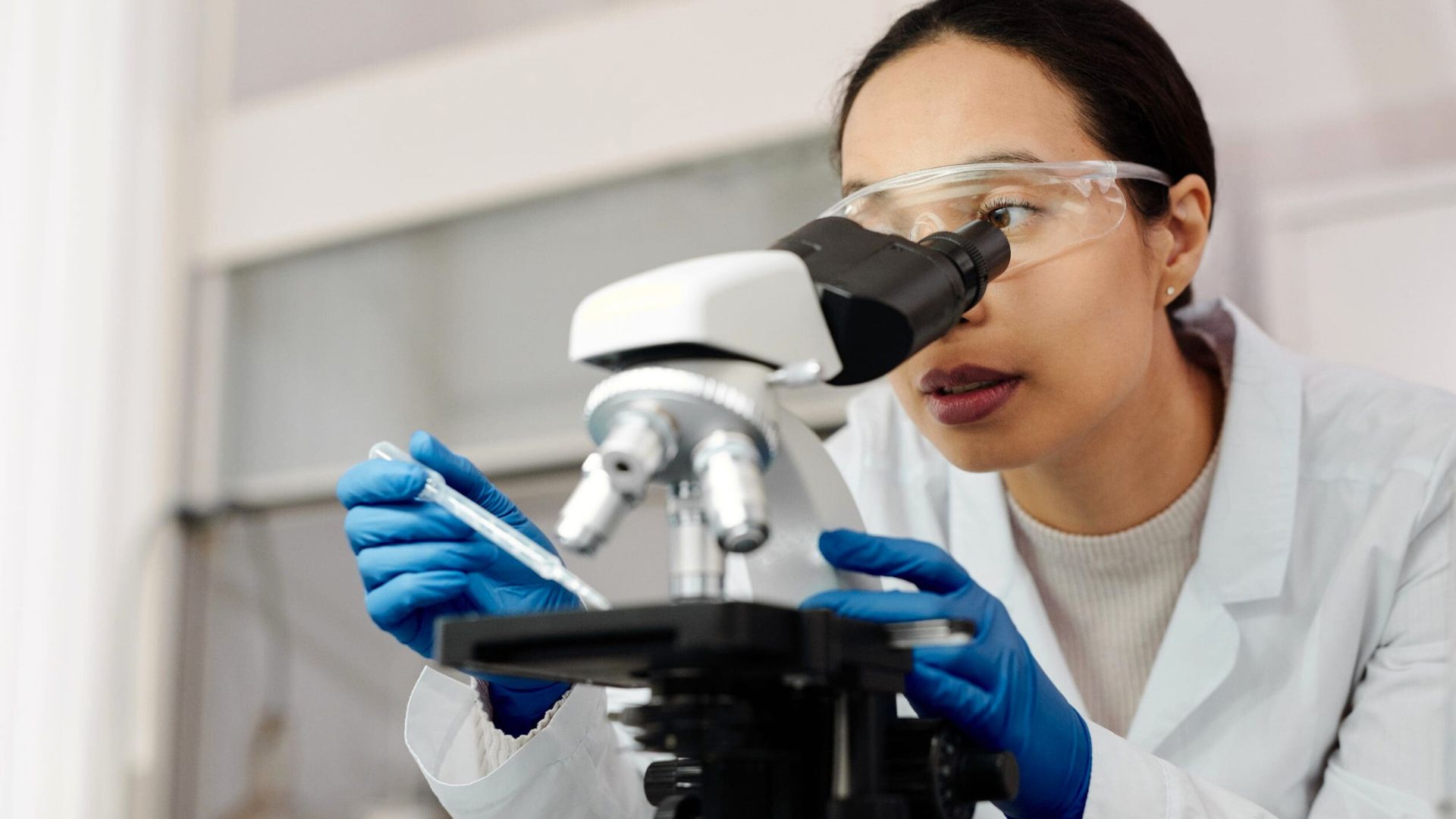
Bachelor of Science in Biology (BSB)
Prepare for a Career in Healthcare, Medical Research, and the Life Sciences
The Bachelor of Science in Biology at NWSC prepares students for careers in healthcare, laboratory science, biotechnology, medical research, and related scientific professions. Through a combination of classroom instruction, laboratory training, research experiences, and scientific analysis, students develop the knowledge and technical competencies needed to succeed in today’s healthcare and biological science environments.
The program provides a strong foundation in biological and biochemical sciences while emphasizing practical skills applicable to healthcare, laboratory operations, scientific research, and professional healthcare pathways. Students gain experience in scientific inquiry, laboratory procedures, data analysis, communication, and critical thinking that supports both employment and continued professional education.
In addition to preparing graduates for workforce opportunities, the program also supports students seeking admission into graduate or professional healthcare programs, including medicine and other advanced health science fields.
Upon successful completion of the program, graduates earn a Bachelor of Science in Biology degree.
Program Snapshot
Detail | Information |
Credential Awarded | Bachelor of Science in Biology (BSB) |
Total Credit Hours | 120 Credit Hours |
Duration | Designed to Be Completed in 3 Years |
Format | On Campus with Day, Evening, and Weekend Classes |
Program Start | Enrollments every Fall, Winter, and Summer Terms |
Program Overview
The Bachelor of Science in Biology Program provides students with comprehensive education and training in biological sciences with an emphasis on healthcare-related applications and scientific workforce preparation.
Students study foundational and advanced biological concepts including cellular and molecular biology, genetics, microbiology, biotechnology, anatomy and physiology, evolutionary biology, and more. The curriculum combines scientific theory with practical laboratory experiences to help students develop competencies used in healthcare, clinical support, biotechnology, pharmaceutical environments, and research settings.
Students also participate in undergraduate research experiences designed to strengthen scientific reasoning, technical proficiency, and professional communication skills.
Curriculum
The curriculum includes both general education coursework and advanced biological science coursework designed to prepare students for healthcare-related professions and scientific careers.
General Education Coursework
Students complete coursework in English composition, speech communication, mathematics and calculus, psychology and sociology, ethics and humanities, and physical and life sciences. These courses strengthen communication, analytical reasoning, ethical decision-making, and interpersonal skills important in healthcare and professional environments.
Core Biology Coursework
Course Code | Course Name |
BIO 102 | Cellular & Molecular Biology |
BIO 200 | Evolutionary Biology |
BIO 210 | Genetics |
BIO 302 | Molecular Genetics & Biotechnology |
BIO 303 | Microbiology |
MTH 201 | Statistics |
PHYS 201 | General Physics I |
PHYS 301 | General Physics II |
RES 307 | Undergraduate Research Seminar |
RES 408 | Undergraduate Research Project |
Students also complete coursework in general biology, chemistry, and additional laboratory sciences.
Undergraduate Research Experience
Research experiences are integrated into the Biology curriculum through seminars and supervised research projects. Students gain experience in:
- Scientific investigation
- Laboratory research methods
- Data collection and analysis
- Scientific reporting and presentation
- Critical evaluation of research findings
These experiences help students build professional competencies applicable to healthcare, laboratory science, and research careers.
Program Learning Outcomes
Graduates of the Bachelor of Science in Biology Program will be able to:
- Apply biological and scientific principles in healthcare, laboratory, and professional scientific settings.
- Demonstrate competency in biological sciences, laboratory techniques, and scientific analysis.
- Utilize the scientific method to evaluate problems and interpret scientific data.
- Apply critical thinking and problem-solving skills to biological and healthcare-related challenges.
- Analyze and evaluate scientific literature and research findings.
- Demonstrate effective written, oral, and professional communication skills.
- Recognize ethical and social responsibilities related to healthcare and life sciences.
- Work collaboratively and professionally in scientific and healthcare environments.
- Demonstrate preparedness for employment, graduate education, or professional healthcare programs.
Occupational Objectives
Graduates of the Bachelor of Science in Biology Program may pursue employment opportunities including:
- Biological Technician
- Medical Laboratory Technician
- Biotechnologist
- Microbiologist
- Clinical Research Coordinator
- Pharmaceutical Research and Development Technician
- Laboratory Support Specialist
- Community Health Specialist
- Medical Equipment Representative
- Research Assistant
The program also provides preparation for students seeking admission into:
- Medical school
- Graduate biology programs
- Healthcare professional programs
- Biomedical research programs
Admission Requirements
General Requirements
- High school diploma or GED certificate
- Minimum high school CGPA of 2.0 or minimum transfer CGPA of 2.5
- Provisional acceptance may be provided to students who do not meet the minimum CGPA requirements. Contact the Admissions Representative for more information.
- Proof of vaccination
- Background check
Graduation Requirements
To graduate from the Bachelor of Science in Biology Program, students must:
- Complete a minimum of 120 credit hours
- Complete 45 general education credit hours
- Complete 75 core biology credit hours
- Complete required research coursework
- Maintain a minimum cumulative GPA of 2.0
Complete at least 40 upper-level credit hours
Complete the final 20 credit hours at NWSC if transferring from another accredited institution
Ready to Take the Next Step?
Our Admissions Team is here to help you explore the BSB program, guide you through the enrollment process, and support you every step of the way as you start your career in healthcare.